
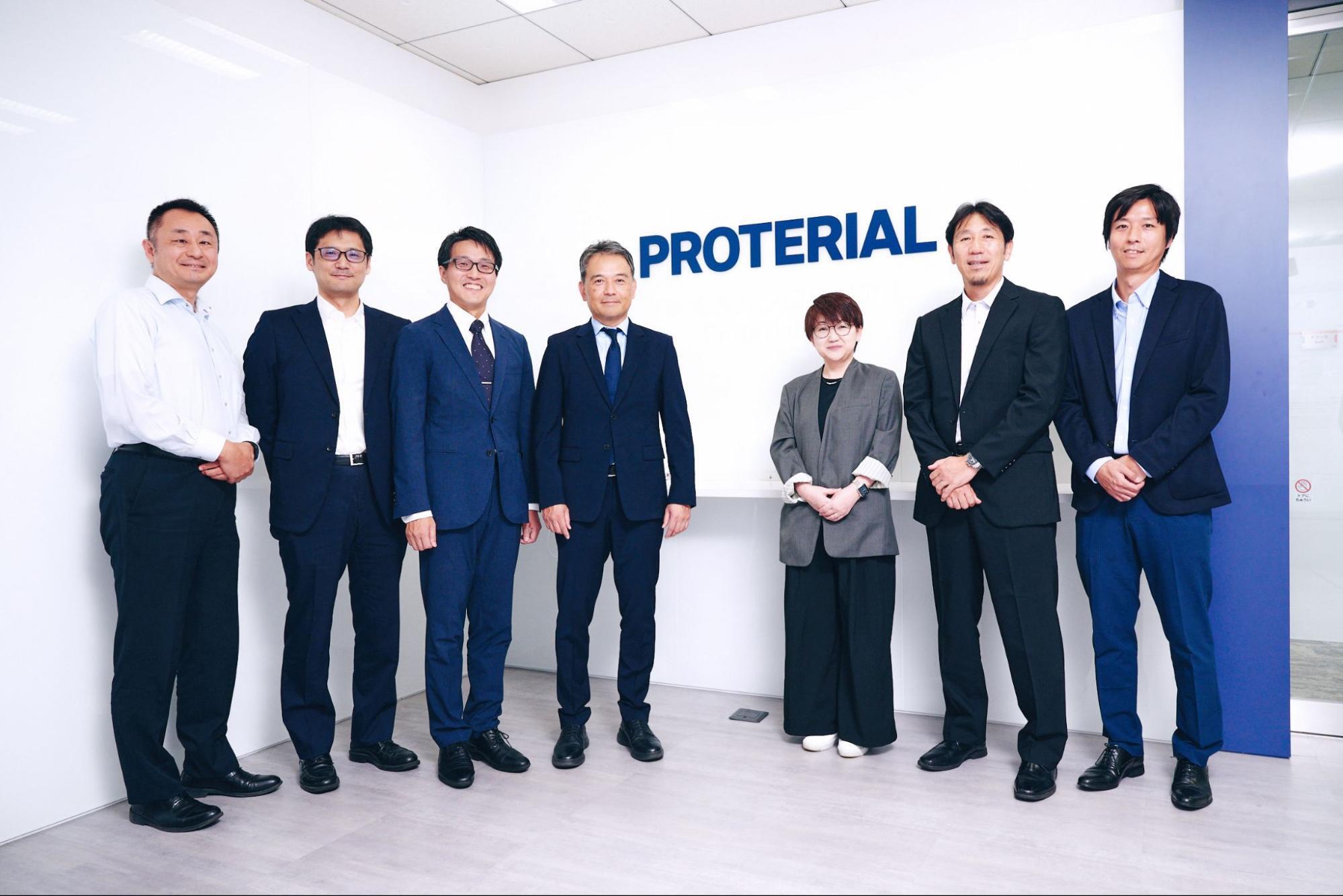
About Proterial, Ltd.
Industry
Manufacturing
Website
Introduction
Proterial, Ltd. is a global manufacturer of high-performance materials. Leveraging its strengths in microstructural and compositional control technologies, the company serves customers across a wide range of industries, including mobility, electronics, aerospace, energy, medical devices, and industrial infrastructure. Through collaborative creation with customers, Proterial develops innovative materials and solutions that help address critical societal challenges while supporting sustainable growth.
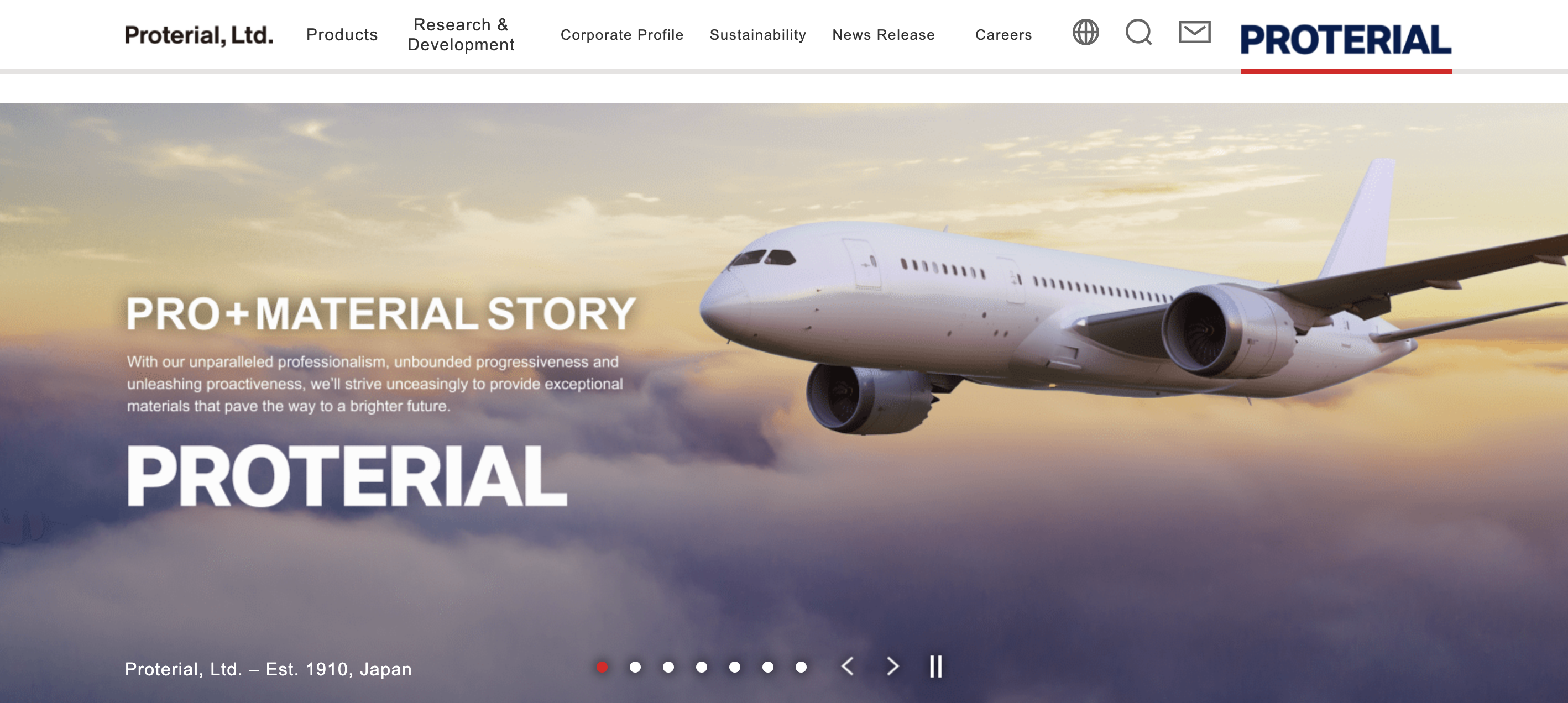
As part of a company-wide commercial transformation initiative, Proterial introduced HubSpot Sales Hub as the basis for a connected commercial operating foundation, which is now being rolled out globally on a phased basis. The objective was to improve visibility into business opportunities, accelerate decision-making, standardize sales processes, and create a scalable platform capable of supporting future global growth.
Today, the initiative is helping the company reclaim an estimated 48,000 hours annually, while enabling greater transparency, stronger collaboration, and more data-driven commercial management across the organization.
In this article, we spoke with project leaders from Proterial’s Marketing and Sales Division and Information Systems Division about the challenges that led to the initiative, the reasons HubSpot was selected, the implementation journey, and the company’s long-term vision for a globally connected, AI-enabled sales organization.

(Yosuke Kojima, Group Manager, Marketing and Sales Division / Project Manager)
Supporting Social Infrastructure Through High-Performance Materials
ーPlease start by telling us about your business.
Yosuke Kojima: Proterial develops and supplies high-performance materials and solutions to customers around the world.
Our business is built upon advanced microstructural and compositional control technologies developed over many decades. These capabilities enable us to create materials with exceptional functionality and reliability across a broad range of applications.
Our portfolio includes specialty steel, magnetic materials, power electronics materials, electric wire and cable products, automotive components, and many other advanced materials solutions. These technologies support industries that form the foundation of modern society, including mobility, aerospace, energy, electronics, industrial infrastructure, and medical devices.
Proterial’s manufacturing heritage is rooted in Tatara ironmaking, the traditional Japanese method used to produce tamahagane, the steel historically used for Japanese swords. While our business has evolved significantly over time, the spirit of craftsmanship embodied in Tatara remains at the core of our approach to innovation and manufacturing.
Today, we combine that heritage with advanced materials science to create high-performance materials that help our customers solve increasingly complex challenges and generate new value.
Proterial has accelerated its global business expansion in recent years, and overseas markets continue to represent an important part of our long-term growth strategy.
As our business expanded across regions and industries, we recognized the need for a more connected and transparent approach to managing commercial activities. To support future growth, we needed a platform capable of capturing business opportunities globally, enabling collaboration across business units, and providing management with real-time visibility into the sales pipeline. That need ultimately led to the introduction of HubSpot as a foundation for commercial transformation.
ーCould you tell us about your respective departments and their missions?
Yosuke Kojima: The mission of the Sales Division is to maximize global business opportunities and convert them into sustainable growth and profitability. While Proterial’s business units are primarily organized around specific products and technologies, the Sales Division works across organizational boundaries and oversees the end-to-end commercial function.
Our role is to connect customer needs with the full breadth of Proterial’s capabilities and ensure that market opportunities are translated into business results. 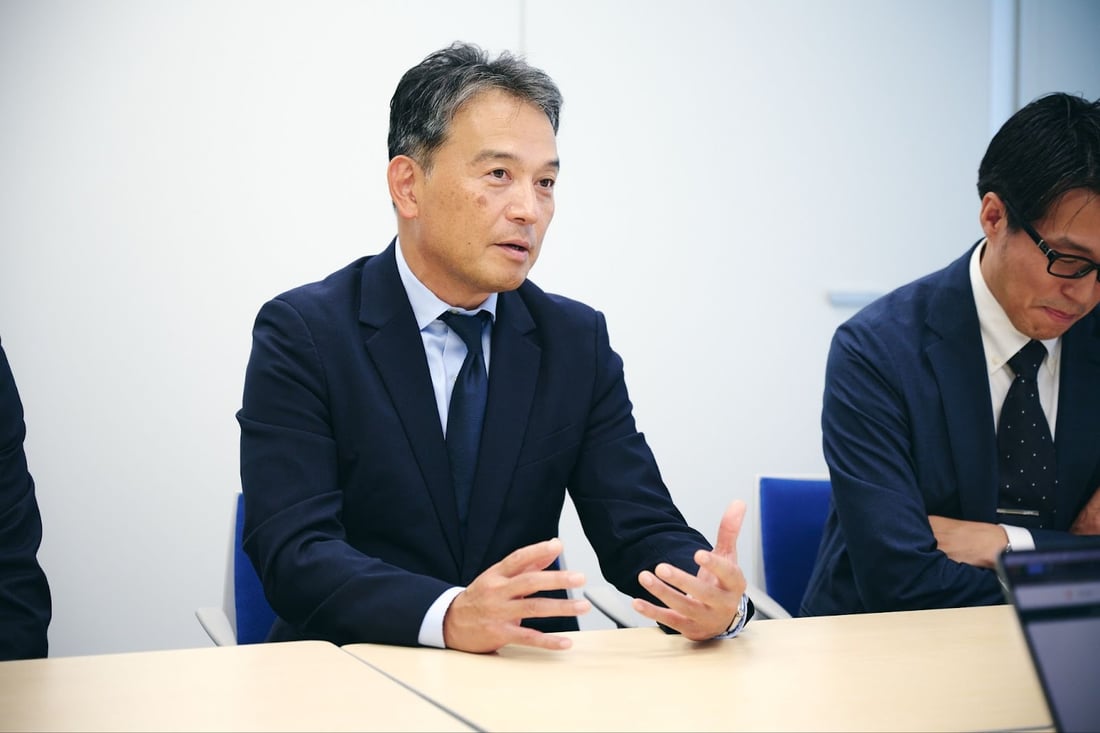
(Katsura Ishikawa, CMO & Director of Marketing and Sales Division / Project Owner)
Katsura Ishikawa: I currently serve as both Chief Marketing Officer and a Director of the Marketing and Sales Division.
Because Proterial possesses a diverse portfolio of technologies and manufacturing capabilities, one of our most important responsibilities is to organize those capabilities from the customer’s perspective and translate them into application-based value propositions.
Rather than simply selling individual materials, we aim to create value through collaborative creation with customers by combining technologies across business units and application domains.
We also see it as our role to identify synergies across the organization, promote cross-selling opportunities, and help customers realize greater value from Proterial’s collective capabilities. 
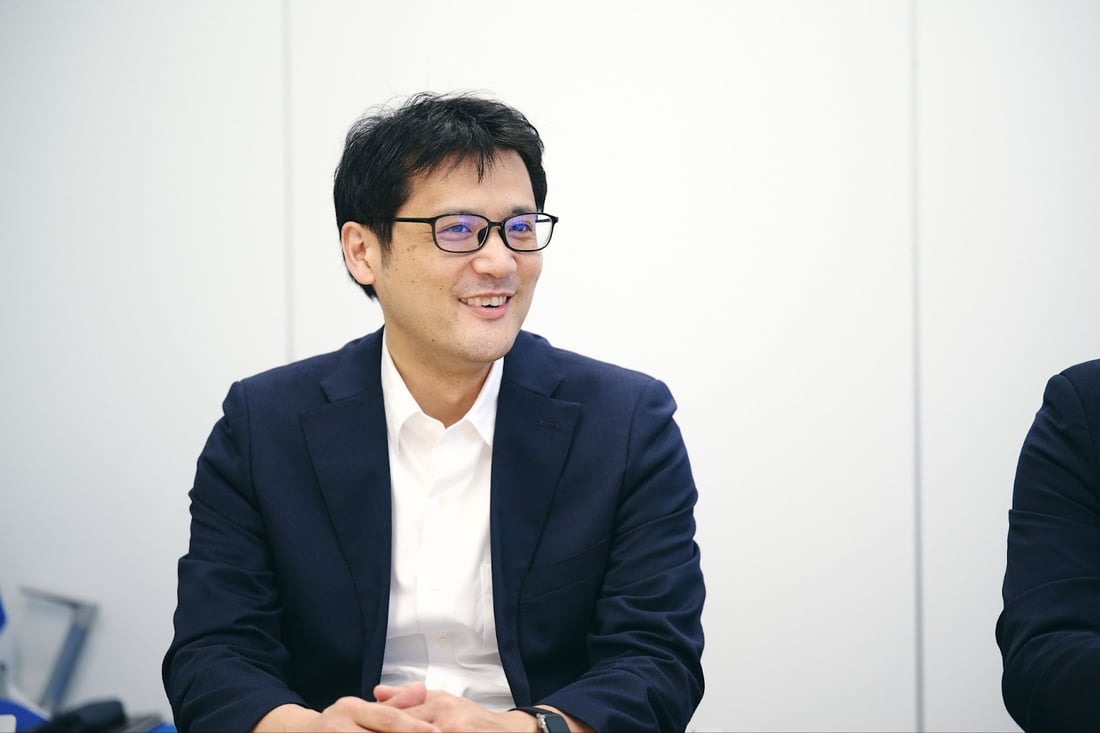
(Youhei Ota, Leader, Corporate Platform Group, System Operation & Development Dept., Information Systems Division)
Youhei Ota: The Information Systems Division is responsible for company-wide IT infrastructure, application development, cybersecurity, and operational support.
Historically, much of our focus was centered on internally developed systems. This initiative represented one of our first large-scale efforts to leverage a SaaS platform as a strategic driver of business transformation.
Our mission extends beyond system deployment. We work closely with business stakeholders to support organizational change, improve operational efficiency, and ensure that digital solutions become embedded in day-to-day business processes. Capturing user feedback and continuously improving the employee experience are also important parts of our role.
Moving Beyond Individual Silos: Building a Global Sales Foundation for Growth
ーWhat challenges were you facing before introducing HubSpot Sales Hub?
Yosuke Kojima: Like many long-established industrial manufacturers, Proterial had historically managed customer and sales information in a highly decentralized manner. Business opportunities, customer relationships, and sales activities were often managed independently by individual business units or even by individual sales representatives. While this approach reflected the unique characteristics of each business, it also created challenges in terms of visibility, collaboration, and organizational learning.
As our global business continued to expand, management increasingly needed a clearer understanding of where opportunities existed, how pipelines were developing, and where resources should be allocated to support future growth. At the time, most opportunity and sales activity information was managed through Excel-based processes.
We worked hard to standardize reporting formats and improve data quality. However, as the volume of information increased and the complexity of our global operations grew, the limitations of spreadsheet-based management became increasingly apparent.
Version control was difficult. Tracking changes across multiple files required significant effort. Consolidating information from different business units and regions often involved extensive manual work, and creating management reports required recurring cycles of collecting, validating, and reformatting data.
As a result, valuable time was being spent managing information rather than using it to drive better business decisions. A particularly important realization was that future global growth could not be supported by spreadsheet-based management alone. As commercial activities became more interconnected across regions and business units, we needed a platform capable of providing a shared, real-time view of customers, opportunities, and sales performance.
We had already begun improving visibility into customer engagement through HubSpot Marketing Hub, but we still lacked a unified operational foundation that connected customer interactions with opportunity management, forecasting, and sales execution.
That realization became the catalyst for evaluating how HubSpot CRM and Sales Hub could support a broader commercial transformation initiative.
Katsura Ishikawa: Our objective was never simply to replace Excel. What we wanted to create was an environment in which information naturally becomes organizational knowledge.
Historically, many successful sales activities depended heavily on individual experience, personal networks, and locally managed information. While talented sales professionals consistently delivered strong results, successful approaches were often difficult to share across teams, business units, and regions.
As a result, valuable knowledge frequently remained within individuals rather than becoming part of the organization's collective capability. Sustainable growth requires transforming individual expertise into organizational capability that can be shared, scaled, and continuously improved. That was one of our fundamental objectives.
We wanted to establish a common platform that would allow successful sales approaches, customer insights, and market knowledge to be captured and utilized throughout the organization. The goal was not simply better reporting. The goal was to strengthen Proterial's commercial capabilities on a global scale.
Another critical factor was user adoption. Many transformation initiatives struggle because employees perceive new systems as additional administrative work rather than tools that help them succeed.
We took a different approach. Our philosophy was simple: The system must make daily work easier before it can transform the business.
We focused heavily on creating tangible benefits for frontline usersーsimplifying routine activities, reducing manual reporting tasks, and making information easier to access and leverage. Only by delivering practical value to employees could we create a lasting foundation for organizational change.
Leadership commitment was equally important. From the beginning, we wanted management discussions to be driven by the same information being entered by sales teams around the world. When employees can see that executives and business leaders are making decisions based on the data they provide, the system becomes more than a repository of informationーit becomes part of how the organization operates. That creates a virtuous cycle of data quality, accountability, and engagement.
ーGlobal deployment was clearly an important requirement. How did that influence your decision?
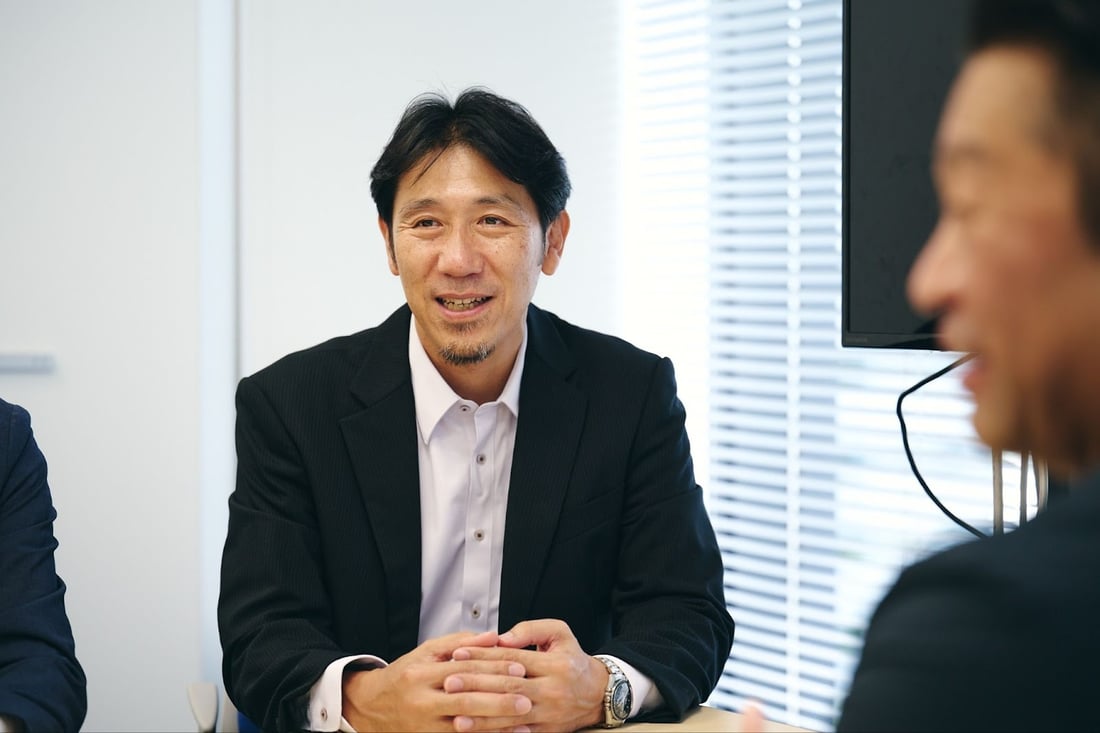
(Nobuyuki Nakamura, Section Manager, Corporate Platform Group, System Operation & Development Dept., Information Systems Division)
Nobuyuki Nakamura: Global scalability was a critical requirement from the outset. Proterial operates across numerous countries, languages, and business environments. Any platform we selected needed to support consistent global processes while remaining flexible enough to accommodate local business requirements.
At the time of implementation, deployment preparations were already underway across multiple regions, including Europe, and we anticipated broader expansion in subsequent phases.
As a result, multilingual support, usability, and adoption across different cultures became important evaluation criteria. Training and change management also had to be designed with a global audience in mind. For example, project members in Japan routinely conducted training sessions and operational support programs for overseas teams while accommodating multiple time zones and local business practices.
A globally connected sales organization requires a shared platform that can be used effectively regardless of geography or organizational boundaries. In that respect, HubSpot aligned well with our long-term vision for global commercial operations.
ーDid you evaluate other solutions before selecting HubSpot?

(Kunie Okoshi, Senior Engineer, Digital Strategy Group, Planning Dept., Information Systems Division)
Kunie Okoshi: Several years earlier, we implemented a different SFA platform. Although considerable effort was invested in deployment and operations, achieving meaningful business value proved challenging.
The platform offered extensive functionality, but configuration and ongoing administration required specialized expertise. Even relatively simple modifications often depended on external support, which limited our ability to respond quickly to changing business requirements.
Creating reports, adjusting workflows, and supporting evolving sales processes required significant effort and coordination. As business needs continued to evolve, the gap between operational requirements and system flexibility became increasingly apparent.
Ultimately, we concluded that the solution was not well aligned with the speed, agility, and user experience required by a globally growing organization.
HubSpot provided a fundamentally different experience. Its user interface was intuitive, reporting capabilities were far easier to use, and business users could operate and adapt the platform without extensive technical expertise.
One particularly attractive advantage was the seamless integration between Marketing Hub and Sales Hub. By connecting customer engagement activities with opportunity management and sales execution, we saw the opportunity to build a more complete view of the customer journey and create stronger alignment between marketing and sales functions.
However, technology alone was not the deciding factor. Transformation initiatives depend heavily on execution and organizational alignment.
After evaluating several consulting firms and implementation partners, we selected 100 Inc. because they demonstrated a strong commitment to understanding our business, our challenges, and our long-term objectives. Their willingness to work collaboratively with our teams throughout the transformation journey was an important factor in our decision.
Taniwaki (100 Inc.): One of the most important themes for Proterial was execution speed. In rapidly changing global markets, organizations cannot afford to spend years designing a perfect solution before realizing value. Rather than pursuing perfection from day one, we adopted an approach focused on establishing a practical operating foundation, driving adoption, and continuously improving the platform based on user feedback.
Equally important, the objective was never simply to deploy software. Success would ultimately be determined by whether employees embraced the platform as part of their daily work and whether the organization could use data more effectively to support commercial decision-making.
To support that outcome, we established regular review sessions, structured feedback mechanisms, and ongoing collaboration between business users, IT teams, and project stakeholders. Our goal was to help build not only a system, but a sustainable foundation for long-term commercial transformation.
Building a Company-Wide Transformation Team: Aligning Leadership, Sales, and IT Around a Shared Vision
ーWhen implementing HubSpot Sales Hub, what goals did you set for the initiative?
Yosuke Kojima: From the beginning, our objective was much broader than introducing a new sales tool. We wanted to establish a commercial operating foundation that would provide real-time visibility into global business opportunities and enable more effective management decision-making.
As Proterial continued to expand internationally, the ability to understand business conditions across regions, markets, and business units became increasingly important. Management needed timely access to information regarding pipeline development, opportunity quality, forecast accuracy, and resource allocation.
To support long-term growth, we believed it was essential to create a system capable of connecting commercial activities globally while providing a common source of truth for the organization.
We also wanted to strengthen governance and accountability across the sales organization. Historically, reporting and opportunity management often depended on local processes. While those approaches reflected individual business requirements, they made it difficult to maintain a consistent view of performance across the company.
By establishing a common commercial platform, we sought to create greater transparency, improve decision-making, and enable a more disciplined approach to managing opportunities at scale.
For us, HubSpot Sales Hub was not simply a pipeline management systemーit was a strategic foundation for commercial transformation.
ーWere there any unique aspects of how Proterial planned to use HubSpot?

(Yasuyuki Sato, Section Manager, Digital Strategy Group, Planning Dept., Information Systems Division)
Yasuyuki Sato: One distinctive aspect of our vision was the integration of multiple layers of commercial information into a single management environment. In many organizations, budget data, sales forecasts, and actual performance data are maintained in separate systems. Users often need to navigate across multiple tools to obtain a complete picture of business performance.
Our goal was to simplify that experience. We envisioned an environment in which sales representatives, managers, and executives could access the information they needed through a unified interface.
To support this approach, we connected forecast information entered into HubSpot with data maintained in existing internal systems and planning environments.
This allowed us to move toward a more integrated view of commercial performance while reducing the need to switch between multiple sources of information.
The initiative initially launched within selected pilot business units, where we could validate operating models, gather feedback, and refine processes.
Our long-term objective is to expand these capabilities progressively across the organization and establish a globally consistent commercial management framework. By doing so, we can improve visibility, strengthen accountability, and support more effective decision-making throughout the business.

ーWhat did a successful global operating model look like from your perspective?
Endo (100 Inc.): Many global companies face a common challenge. They want to establish consistent processes across regions while still preserving the flexibility required for local business operations.
Sales cycles, customer expectations, decision-making processes, and market conditions can differ significantly from one geography to another. As a result, enforcing rigid standardization often reduces adoption and limits effectiveness.
One reason HubSpot was well aligned with Proterial's requirements was its flexibility. The platform supports a unified commercial framework while allowing organizations to adapt workflows, pipelines, and reporting structures to local operational needs. This balance between standardization and flexibility is particularly important for global organizations seeking to improve visibility without sacrificing usability.
From our perspective, the goal was to help Proterial establish a common commercial language across the organization. When teams can view opportunities through a shared framework, collaboration becomes easier, reporting becomes more reliable, and management gains a clearer understanding of business conditions worldwide.
That foundation is critical for scaling commercial excellence across a multinational organization.
ーHow was the project structured internally?
Katsura Ishikawa: This initiative was positioned as a business transformation program rather than a technology implementation project. For that reason, the organizational structure extended well beyond the Sales Division and Information Systems Division.
I served as Project Owner, while Kojima led overall project management activities. A dedicated Project Management Office (PMO) coordinated activities across business units, corporate functions, project stakeholders, and external partners.
One of the most important success factors was cross-functional collaboration. Representatives from the Sales Division, Information Systems Division, Corporate Planning, Business Reform teams, and participating business units worked together toward a common objective. Rather than viewing the initiative as "an IT project" or "a sales project," we positioned it as a company-wide effort to strengthen Proterial's commercial capabilities and support future growth.
That shared understanding helped align priorities and accelerate decision-making.
Strong executive sponsorship also played an important role. Throughout the project, regular updates were provided to senior leadership regarding progress, investment requirements, expected benefits, and organizational challenges.
Because leadership maintained visibility and engagement throughout the initiative, important decisions could be made quickly when support or additional resources were required. This enabled the project team to maintain momentum while continuing to adapt to changing business requirements.
The speed of execution was another notable characteristic of the project. Once the initiative was formally launched, business requirements, system design, user preparation, and training activities progressed in parallel.
By maintaining close alignment among business leaders, project teams, and implementation partners, we were able to move quickly while maintaining a strong focus on adoption and business outcomes.
ーWhat were the most significant challenges during implementation?
Youhei Ota: Without question, the most important challenge was user adoption. Technology does not create transformation on its own. A platform only delivers value when employees understand why it exists, how it supports their work, and how it contributes to broader organizational goals.
If users perceive a system as an additional administrative burden, adoption becomes difficult regardless of how powerful the technology may be.
To address this challenge, we focused heavily on communication and stakeholder engagement. Before expanding adoption broadly, we worked closely with key business leaders to build alignment around the purpose of the initiative and the value it could create. These leaders then helped communicate the vision to their teams and support behavioral change within their respective organizations. Our goal was to create pull from the business rather than push from the system side.
Another challenge involved balancing consistency and flexibility. From a governance perspective, there are clear advantages to standardizing terminology, processes, and management practices.
At the same time, each business unit has unique products, markets, and ways of working. If standardization is pursued too aggressively, the platform may become less useful for the people expected to use it every day.
For that reason, we adopted a pragmatic approach. We established common foundations wherever possible while remaining open to adjustments that improved usability and supported business requirements. Ongoing dialogue with users played a critical role in helping us achieve that balance.
The objective was not simply to deploy a systemーit was to create a platform that employees would willingly use because it helped them perform their work more effectively. This philosophy ultimately shaped many of our decisions throughout the implementation process.
Adoption was never treated as an activity that occurred after deployment. Instead, it was viewed as a core component of the transformation itself.
And in many ways, that remains true today. The journey is not simply about implementing technologyーit is about continuously developing the capabilities, processes, and behaviors required to support long-term commercial excellence.
Delivering an Estimated 48,000 Hours of Annual Productivity Gains: How Data Visibility Changed the Way Proterial Sells
ーWhat results have you seen since implementing HubSpot?
Yosuke Kojima: One of the most tangible outcomes has been a significant reduction in administrative workload across the sales organization.
Before implementing HubSpot, sales representatives managed opportunities, forecasts, and reporting activities through individual spreadsheets and manually created reports. Considerable effort was spent consolidating information, validating updates, and preparing materials for management reviews. While these activities were necessary, they often consumed valuable time that could otherwise have been spent engaging customers and developing new business opportunities.
By establishing a common commercial platform, many of those manual activities have been streamlined or automated. Depending on the role and business unit, some users have reduced administrative work by approximately 20 hours per month. Across the roughly 200 users active on the platform today, this translates into an internal estimate of roughly 48,000 hours of annual productivity gains. As the rollout continues globally, we expect this scope to expand.
For us, the real significance is not simply the number of hours saved. It is the ability to redirect that time toward higher-value activities such as customer engagement, opportunity development, strategic account planning, and long-term business growth.
We have also seen meaningful improvements in the quality of management discussions. In the past, sales reviews often depended heavily on personal experience and qualitative assessments. While experience remains important, discussions can now be supported by more consistent and transparent data. Rather than focusing primarily on status reporting, teams can spend more time discussing risk factors, next actions, resource requirements, and potential growth opportunities. As a result, conversations have become more objective, actionable, and aligned across the organization.
Another positive outcome has been greater organizational visibility. Because opportunity information is now more accessible, business achievements can be recognized and shared more effectively. Successful customer wins, strategic projects, and best practices have become easier to communicate across teams and business units. That visibility contributes not only to operational effectiveness but also to organizational engagement and knowledge sharing.
ーHow has HubSpot changed the way management views commercial activities?
Katsura Ishikawa: From a management perspective, one of the most important achievements has been the establishment of a transparent and actionable pipeline management framework.
Sales organizations naturally concentrate on generating new business and achieving short-term results. However, in many of Proterial's markets, business opportunities develop over extended periods of time. Some opportunities contribute to current-year revenue, while others may require multiple years of development, engineering collaboration, customer evaluation, and qualification before reaching commercialization. Managing both short-term performance and long-term opportunity development simultaneously is essential.
Historically, long-term opportunity development was often managed through localized processes, spreadsheets, presentations, and individual monitoring methods. As a result, visibility into future growth opportunities varied across organizations and regions. Today, HubSpot provides a more consistent framework for capturing and managing opportunities throughout their lifecycle. This allows management to monitor both current business activity and future growth initiatives using a common operating model.
The result is greater clarity regarding where opportunities exist, how pipelines are developing, and where investments or resources may be required. When business conditions change, leadership is able to respond more quickly because the underlying information is more visible and more immediately accessible. Ultimately, better visibility leads to better decisions.
Another significant benefit is our ability to connect market developments with commercial execution. Understanding external trends is important, but equally important is understanding how the organization is responding to those trends through customer engagement and opportunity development. By bringing these perspectives together, we can make more informed decisions regarding strategic priorities, portfolio development, and resource allocation. From a management standpoint, that level of visibility represents a meaningful step forward.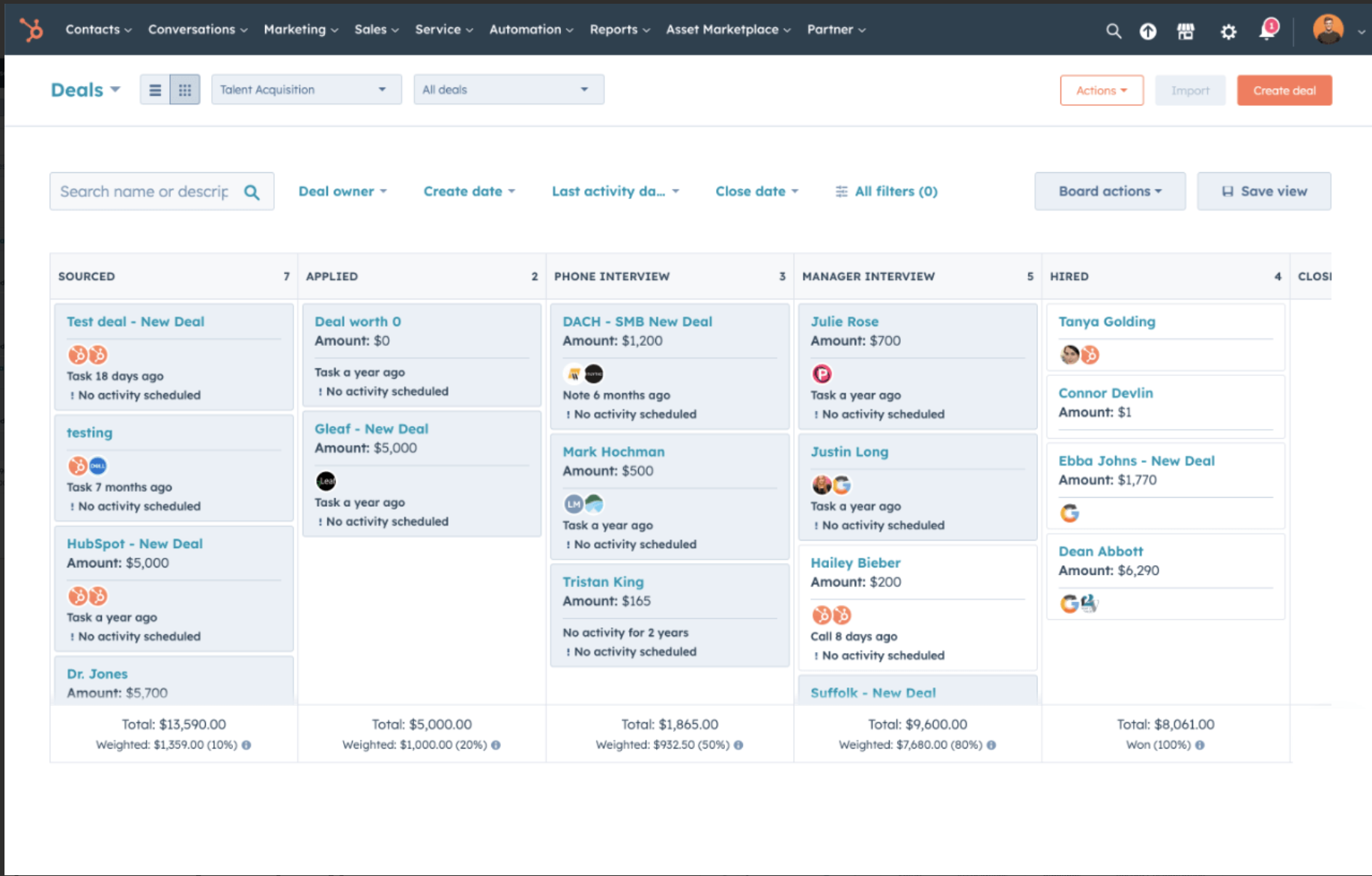
(HubSpot Sales Hub: Sales Pipeline Management)
ーWhat capabilities have become particularly valuable for users?
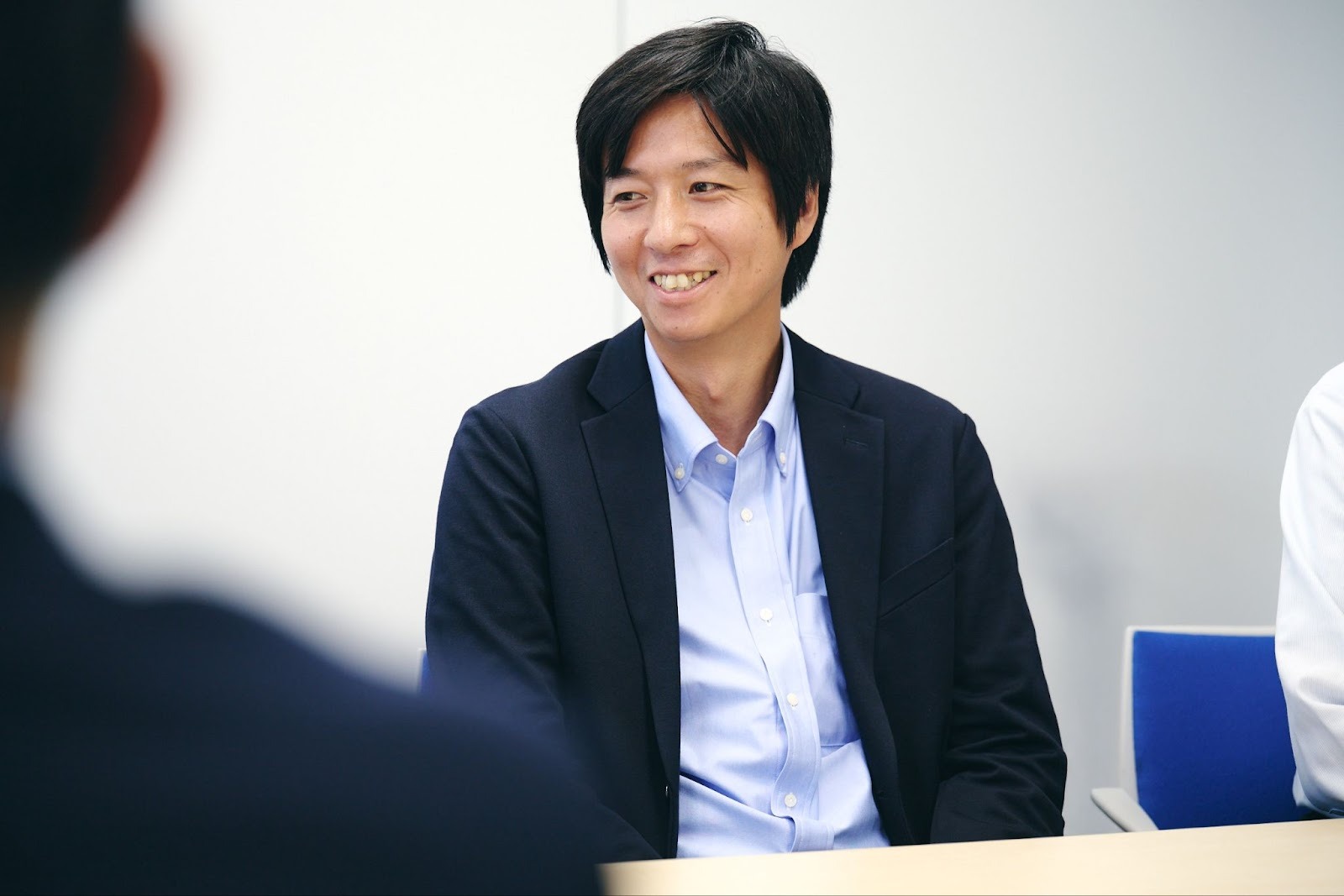
(Reito Odajima, Senior Specialist, System Development Group, System Operation & Development Dept., Information Systems Division)
Reito Odajima: One capability that has created significant value is pipeline stage management. When opportunities were managed primarily through spreadsheets, obtaining a comprehensive view of pipeline health required considerable effort.
Today, sales teams and managers can see opportunity status, pipeline value, activity levels, and progression through sales stages within a single environment. This makes it much easier to understand the overall situation and identify areas requiring attention.
The visual nature of the platform is particularly helpful. Users can quickly understand where opportunities are located within the pipeline and how they are progressing. Because information is presented clearly and consistently, it becomes easier to prioritize activities and focus on the opportunities that matter most.
Another valuable capability is proactive opportunity management. For example, potential issues such as prolonged inactivity can be identified more easily than before. Rather than discovering challenges after opportunities have stalled, teams can intervene earlier and take corrective actions when necessary. This supports a more disciplined and proactive approach to opportunity management.
From an Information Systems perspective, one of the most encouraging outcomes has been seeing employees incorporate HubSpot into their daily workflows. The ultimate measure of success is not how many features a platform offersーit is whether people choose to use it because it helps them work more effectively.
As adoption has increased, we have seen growing evidence that HubSpot is becoming part of how commercial activities are managed throughout the organization.
ーLooking back on the journey so far, what has been the biggest change?
Yosuke Kojima: The biggest change is that information is no longer viewed simply as something to be collected and reported. It has become something that can be actively leveraged to improve decision-making, strengthen collaboration, and support business growth. That shift in mindset is extremely important.
In the past, significant effort was devoted to producing reports and maintaining data. Today, we are increasingly able to focus on what the information actually tells us and what actions we should take next. This represents a meaningful step toward becoming a more data-driven organization.
While our journey is still ongoing, we believe the foundation is now in place. The combination of improved visibility, greater consistency, and stronger collaboration is helping us build a commercial organization that is better equipped to support Proterial's long-term global growth ambitions.
Building a Data-Driven Sales Organization: Leveraging AI, Customer Insights, and Global Knowledge to Accelerate Growth
ーLooking ahead, what are your priorities for the future?
Katsura Ishikawa: The implementation of HubSpot represents an important milestone, but we view it as the beginning of a much broader transformation journey. Our ultimate objective is not only to improve visibility into business opportunities, but also to strengthen the capabilities of every salesperson across the organization.
As more commercial data becomes available through HubSpot, we have an opportunity to better understand how successful commercial activities are created and how those practices can be replicated across regions, business units, and markets.
Historically, many successful sales approaches relied heavily on individual expertise and experience. Those capabilities remain extremely valuable. However, if valuable knowledge resides only within individuals, it becomes difficult for the organization to learn, scale, and continuously improve.
Our goal is to transform individual expertise into organizational capability. We want to establish an environment in which successful commercial practices can be captured, shared, refined, and applied across the global organization.
As our data foundation continues to evolve, we expect to gain deeper insights into customer engagement, opportunity development, and sales execution.
For example, we would like to better understand:
- What actions contribute most effectively to success in specific markets?
- What customer engagement patterns create long-term growth opportunities?
- How can knowledge from one region be leveraged in another?
- Which activities consistently lead to successful outcomes?
Answering these questions will help us strengthen commercial excellence throughout the organization.
Artificial intelligence will play an increasingly important role in that evolution. Rather than relying solely on manual analysis, we believe AI can help identify repeatable success patterns from customer interactions, commercial activities, and opportunity data. By combining customer information, market intelligence, sales activity data, and organizational knowledge, AI has the potential to accelerate learning and support more consistent decision-making.
Our vision is not to replace human judgment. On the contrary, we want to enable our people to make better decisions by providing them with more relevant information, stronger insights, and improved visibility into business opportunities. If we can successfully combine human expertise with data-driven intelligence, we believe we can significantly enhance the effectiveness of our commercial organization worldwide.
Another important area of focus is expanding collaboration across business units. Proterial possesses a broad portfolio of advanced technologies, materials, and solutions. Many customer challenges require capabilities that extend beyond a single product or business area. By improving visibility into customer needs and commercial activities, we can create greater opportunities for collaboration across the organization.
This aligns closely with Proterial's philosophy of creating value through collaborative creation with customers. By bringing together technologies, expertise, and market insights from different parts of the business, we can deliver more comprehensive solutions that help customers address increasingly complex challenges.
HubSpot provides an important platform for enabling these connections and supporting that collaborative approach at scale.
ーHow do you see the future role of Marketing Hub and broader customer engagement?
Yosuke Kojima: Our journey with HubSpot actually began with Marketing Hub. While we have made significant progress in establishing a global sales operating foundation through Sales Hub, we believe there is still substantial opportunity to strengthen the connection between marketing and sales activities.
Customer relationships rarely begin at the opportunity stage. In many cases, they start long before direct sales engagement occurs. For that reason, we want to develop a more connected approach that links customer engagement, relationship development, commercial activities, and long-term opportunity management.
Even a single interaction can become the starting point of a valuable customer relationship. By combining marketing data, customer engagement information, market insights, and sales activities within a common platform, we can develop a more complete understanding of customer needs and interests. That understanding allows us to engage customers more effectively and create stronger pathways from initial interest to long-term business value.
Looking forward, our objective is to create a repeatable commercial engine that can be deployed globally. We want to identify emerging market needs earlier, connect those needs with Proterial's technological capabilities, engage customers proactively, and convert opportunities into sustainable business growth. At the same time, we want to ensure that knowledge generated through those activities is captured and shared throughout the organization.
Ultimately, the greatest value of a commercial platform is not simply data visibility. It is the ability to connect people, knowledge, opportunities, and customer needs in a way that enables better decisions and stronger execution. That is the direction we are pursuing.
ーWhat does success look like for Proterial in the years ahead?
Katsura Ishikawa: Success means becoming an organization that can continually create value through stronger customer understanding, faster learning, and more effective collaboration. We want to identify customer needs earlier, leverage our technological strengths more effectively, and bring together expertise from across the organization to solve increasingly complex challenges.
At the same time, we want to ensure that successful practices can be shared globally so that the entire organization benefits from what we learn.
Commercial transformation is not a project with a defined endpoint. It is an ongoing process of continuously improving how we engage customers, how we make decisions, and how we create value.
HubSpot has become an important part of that journey. It provides the visibility, connectivity, and operational foundation needed to support future growth while helping us become a more agile, data-driven, and globally connected organization.
As Proterial continues to expand globally, our goal is to strengthen the connection between customer needs, market opportunities, and our unique technological capabilities. By combining those elements through a common commercial platform, we believe we can accelerate innovation, deepen customer relationships, and create sustainable growth for years to come.
Conclusion
Proterial's transformation journey began with a simple challenge: moving beyond spreadsheet-based sales management. What emerged was far more significant than a technology implementation.
With a connected commercial operating foundation now being rolled out globally with HubSpot, the company improved visibility into opportunities, strengthened collaboration across regions and business units, enhanced management decision-making, and unlocked substantial productivity gains.
Today, that foundation is supporting Proterial's broader vision of becoming a more connected, data-driven, and customer-centric global organization. As the company continues to expand its use of AI, customer insights, and commercial data, the focus remains the same: creating greater value for customers through innovation, collaboration, and commercial excellence.
※Titles, department names, and organizational affiliations are accurate as of the time of the interview.
Share This Article


https://www.100inc.co.jp/en/interview/proterial
CopyWe are HubSpot LOVERS
Aside from their outstanding platform that makes your business grow and the concept of inbound marketing,
We were drawn to HubSpot because of their inbound approach, the way they focus on their customers and their unwavering philosophy.
All of this is what attracted us to HubSpot, and that's why we are working with HubSpot as their partner.
Please contact us for any questions about HubSpot, marketing and Sales strategy, organization building and ets.